
Table of Contents
- What Sellers Get Wrong When Preparing a House for Sale
- Declutter, Depersonalize, and Deep Clean First
- Essential Home Repairs Before Listing
- Curb Appeal Tips for Selling a House
- Cost of Professional Pressure Washing for Home Sale
- Staging, Photography, and Digital-First Preparation
- Hiring a Real Estate Agent and Scheduling a Pre-Sale Inspection
- The Psychological Side of Preparing to Sell
Last Updated: August 25, 2026
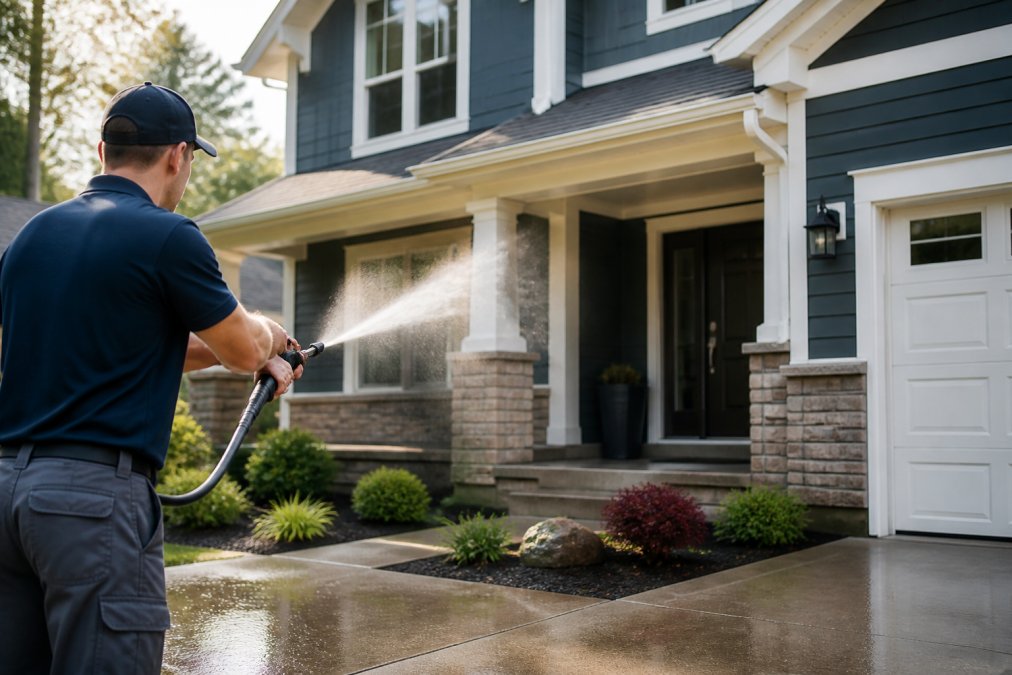
Most sellers lose buyers at the front door, not the closing table. The decision to schedule a showing, submit an offer, or walk away often happens within the first few seconds of seeing a property. At Extra Pressure LLC., we work with homeowners preparing to list, and the pattern is consistent: sellers who get top-dollar offers treated preparation as a project, not an afterthought. This guide breaks down exactly how to prepare your house for sale, from decluttering to the final curb appeal detail that makes listing photos pop.
What Sellers Get Wrong When Preparing a House for Sale
The biggest mistake sellers make is confusing preparation with renovation. Many homeowners pour money into high-cost upgrades while ignoring the basics that actually move buyers: cleanliness, odor, light, and first impressions.
A second common error: waiting too long to start. A proper preparation timeline runs four to six weeks. Compress that into a weekend and you’ll miss critical details or exhaust yourself before the open house begins.
A third pattern: over-personalizing staging. Your home needs to feel like a place the buyer can picture themselves in, not a showcase of your family’s history.
The framework that works:
- Start with removal (declutter, depersonalize)
- Move to restoration (clean, repair, paint)
- Finish with presentation (stage, photograph, list)
Work in that order. Sellers who reverse it waste money and confuse buyers.
Declutter, Depersonalize, and Deep Clean First
Decluttering and depersonalizing are the highest-ROI steps in preparation. They cost almost nothing and make every other effort more effective.
Decluttering Room by Room
Decluttering is not hiding things in closets. Buyers open closets. Overstuffed storage signals a lack of space.
Work systematically:
- Bedrooms: Remove extra furniture, personal photos, and anything that makes the room feel smaller.
- Kitchen: Clear countertops completely. Appliances, mail, dish racks, all of it goes.
- Living areas: Remove excess seating and personal collections.
- Bathrooms: Clear vanity surfaces. One hand soap, one candle maximum.
- Garage and basement: Half-empty signals abundance, not scarcity.
Rent a storage unit if needed. The cost is trivial compared to what a cluttered showing costs you in offer quality.
Deep Cleaning Strategies That Impress Buyers
Deep cleaning covers everything a buyer’s eyes or nose might catch. Priority areas include grout lines, interior windows and tracks, baseboards, door frames, light switch plates, inside cabinets and drawers, appliances, carpets (professional steam cleaning is worth it), and exterior-facing surfaces like siding, driveways, walkways, and gutters.
Professional exterior cleaning makes a measurable difference. Stained concrete, algae-streaked siding, and clogged gutters are immediate red flags for buyers evaluating property condition.
Schedule exterior cleaning before listing photos are taken. Pressure-washed driveways and siding show dramatically better in photography than dirty surfaces, and listing photos are the first showing for most buyers.
Essential Home Repairs Before Listing
Fix anything a home inspector will flag, and skip anything that won’t affect the appraisal or buyer perception. The goal is a move-in ready impression, not a gut renovation.
According to the National Association of Realtors’ guidance on pre-sale preparation, addressing deferred maintenance before listing consistently produces better outcomes than price reductions after inspection.
Prioritize these repairs: leaky faucets, running toilets, broken light fixtures, damaged window screens, sticking doors, cracked caulk, loose handrails, and visible water stains.
What Not to Fix (and Where to Focus Instead)
Avoid full kitchen or bathroom remodels. The return rarely justifies the cost, and buyers often prefer to make those choices themselves. Skip full roof replacements unless there’s an active leak; a roof certification often satisfies buyers.
What does justify investment: fresh paint, new hardware on cabinets and doors, and updated light fixtures. These are low-cost, high-visibility changes that make a home feel current.
Skipping a pre-sale inspection is one of the most expensive decisions a seller can make. Issues discovered by a buyer’s inspector during escrow carry far more negotiating weight than issues you’ve already disclosed and priced in.
Curb Appeal Tips for Selling a House
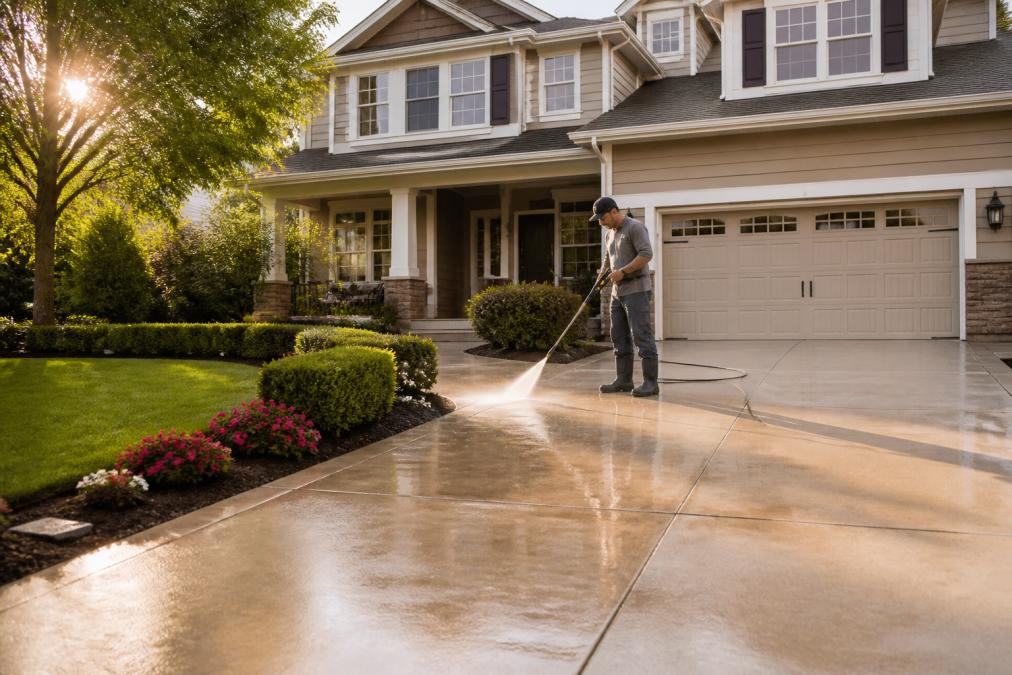
First impressions happen fast. A buyer pulling up to a showing forms an opinion before reaching the front door. Curb appeal isn’t about luxury landscaping; it’s about removing anything that signals neglect.
Landscaping, Paint, and First Impressions
The American Society of Landscape Architects’ research on home value shows that well-maintained landscaping contributes meaningfully to perceived market value.
Curb appeal checklist:
- Lawn mowed and edged
- Hedges and shrubs trimmed back from the house
- Flower beds weeded and mulched
- Dead plants removed and replaced
- Front door freshly painted or cleaned
- House numbers visible and clean
- Porch and entry swept and clear
- Driveway and walkways clean (pressure washed if stained)
- Gutters cleared and visibly clean
- Exterior light fixtures working and clean
Neutral paint colors on the exterior consistently outperform bold or dated choices. If exterior paint is peeling, faded, or unusually colored, repainting before listing is one of the highest-return investments available. A freshly painted front door in a classic color (navy, black, deep red) creates a focal point that photographs well.
Cost of Professional Pressure Washing for Home Sale
Professional pressure washing is one of the most cost-effective pre-sale investments. Clean exterior surfaces directly affect a buyer’s first impression and their perception of maintenance.
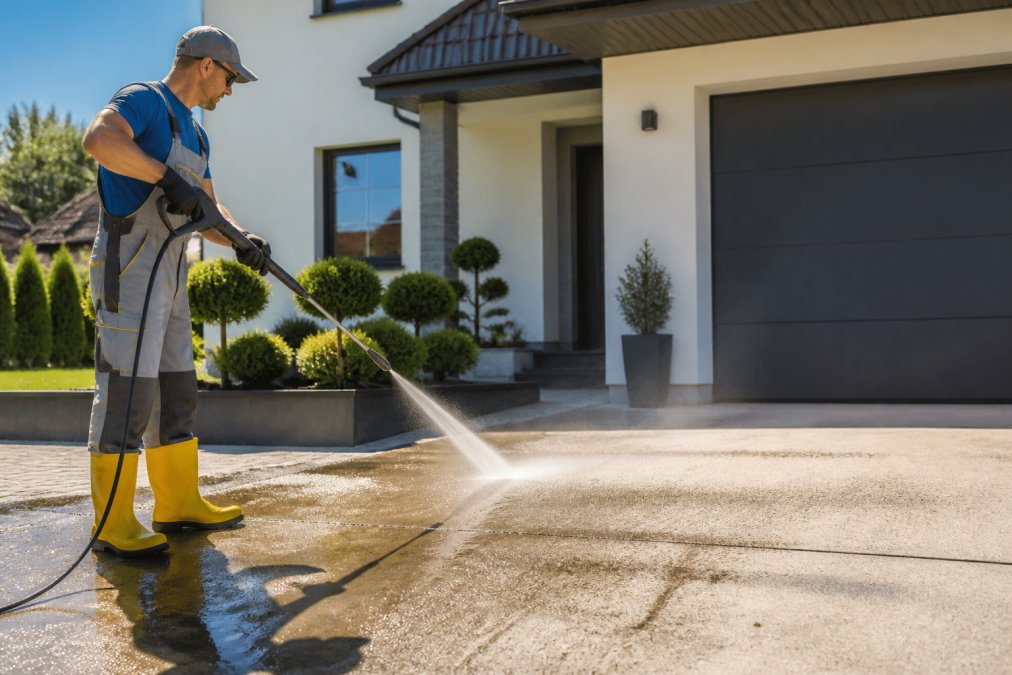
Pricing varies based on property size, surfaces being cleaned, and level of soiling. For accurate pricing on your specific property, Extra Pressure LLC. offers same-day estimates with no obligation.
What to expect from professional exterior cleaning:
| Surface | What Gets Removed | Pre-Sale Impact |
|---|---|---|
| Concrete driveway | Oil stains, mold, algae, tire marks | Strong first impression at arrival |
| Siding (vinyl, brick) | Mold, mildew, dirt buildup | Listing photos look dramatically cleaner |
| Wood deck or fence | Algae, weathering, grime | Signals maintained outdoor living space |
| Gutters (exterior) | Black streaks, oxidation | Removes one of buyers’ most common concerns |
| Walkways and steps | Organic growth, staining | Safe, clean path to the front door |
Extra Pressure LLC. uses specialized soft washing for older siding, painted surfaces, and delicate materials, so high-pressure water doesn’t strip paint or damage aging wood.
Staging, Photography, and Digital-First Preparation
Most buyers see your home online before in person. Listing photos are the actual first showing.
Staging arranges furniture, decor, and lighting to make each room photograph and show at its best. For occupied homes, strategic staging often means editing what’s already there: removing excess furniture, adding neutral accents, and ensuring every room has a clear focal point.
Lighting matters more than most sellers realize. Open every blind and curtain before photos are taken. Replace burned-out bulbs. Add lamps to dark corners. Bright, naturally lit rooms consistently generate more showing requests.
Digital-first preparation includes virtual tours or 3D walkthroughs, accurate listing details, and a strong description leading with the home’s best features. The National Association of Realtors’ 2025 Profile of Home Buyers and Sellers found that most buyers begin their search online. A weak digital presentation means fewer showings.
Hiring a Real Estate Agent and Scheduling a Pre-Sale Inspection
Choose an agent with recent sales in your specific neighborhood, not just your city. Local knowledge directly affects pricing accuracy.
A pre-sale home inspection lets you address issues on your own terms, disclose them transparently, or price them into the listing from the start. When a buyer’s inspector finds problems during escrow, they become negotiating leverage at the worst possible moment.
According to HUD’s guidance on home sale disclosures, proper disclosure of known property conditions is required in most states and protects sellers from post-sale liability.
A pre-sale inspection typically covers roof condition, foundation, electrical panel, plumbing, HVAC systems, insulation, ventilation, and windows and doors. Address critical items. Disclose the rest. Informed buyers are buyers who close.
The Psychological Side of Preparing to Sell
Selling a home is emotionally complex. The home represents memory, identity, and significant financial history. Preparing it for sale means handing it over to strangers who will change it.
That emotional weight has practical consequences. Sellers who haven’t processed the transition often resist depersonalizing, delay decisions, or become defensive during negotiations.
Separate identity from asset. The home is a financial instrument at this stage. Every preparation decision should attract offers.
Set a preparation deadline. Open-ended timelines create anxiety. A firm listing date forces decisions that might otherwise stall.
Walk through as a buyer. Go outside, come in through the front door, and move through every room as if seeing it for the first time. This perspective surfaces issues that familiarity hides.
Sellers who prepare most effectively have mentally made the transition before the for-sale sign goes up.
Preparing a house for sale is a multi-week project with real financial stakes. Sellers who get top-dollar offers aren’t lucky, they’re prepared. Extra Pressure LLC. helps homeowners at the stage where exterior condition matters most: before listing photos, before showings, and before buyers form their first impression. With licensed and insured pressure washing, soft washing for delicate surfaces, window cleaning, and gutter maintenance, we handle the exterior preparation that makes every other effort more effective. Schedule an appointment with Extra Pressure LLC. and get a same-day estimate on what professional exterior cleaning can do for your listing.
Frequently Asked Questions
What is the most important thing to do before selling a house?
Decluttering and deep cleaning consistently rank as the highest-return preparation steps. A clean, clutter-free home photographs better, shows better during open houses, and signals to prospective buyers that the property has been well maintained. After that, addressing visible cosmetic issues, peeling paint, stained grout, dirty siding, closes the gap between your listing price and what buyers are willing to offer. Everything else builds on that foundation.
Does pressure washing increase home value?
Professional pressure washing can meaningfully boost perceived market value by restoring curb appeal that dirt, mold, and algae have eroded over time. A clean exterior makes a strong first impression in listing photos and at showings. While it won't substitute for structural repairs, exterior cleaning is one of the lowest-cost, highest-visibility improvements a seller can make. For homes with stained driveways, grimy siding, or dirty gutters, the visual difference before and after is dramatic.
How long does it take to prepare a house for the market?
Most sellers need four to eight weeks to prepare a house for sale properly. The timeline depends on the property's current condition, the scope of repairs, and how quickly contractors can be scheduled. Decluttering and cleaning can happen within a week. Cosmetic repairs, painting, and landscaping typically take two to four weeks. If you need a pre-sale inspection or professional staging, build in extra time. Starting early gives you more control over your listing date and selling timeline.
What should you not fix before selling a house?
Skip major renovations with low ROI, full kitchen remodels, bathroom additions, and luxury upgrades rarely return their full cost at closing. Also avoid over-improving for the neighborhood; buyers won't pay for finishes that exceed the local market. Cosmetic issues buyers can easily change themselves, like paint colors or light fixtures, are often better left for them to personalize. Focus repairs on anything that would show up in a home inspection or visibly deter buyers during a showing.
How much does it cost to prepare a house for sale?
Preparation costs vary widely based on the property's condition and which tasks you hire out. Light cleaning, decluttering, and minor touch-ups can cost very little. Professional services like pressure washing, staging, photography, and pre-sale inspections add to the total. For an accurate estimate on exterior cleaning specifically, contact a licensed provider directly, costs depend on your home's size, surface types, and the scope of work needed.
What are the best low-cost home improvements for selling?
Neutral paint colors, professional exterior cleaning, updated light fixtures, and fresh landscaping consistently deliver strong returns relative to their cost. Cleaning windows, power washing the driveway and siding, and adding mulch to garden beds are all high-visibility improvements that cost far less than structural repairs. Inside, replacing dated hardware on cabinets and doors, deep cleaning carpets, and eliminating odors make a measurable difference in how prospective buyers respond during showings.
This article was written using GrandRanker
Leave a Reply