Table of Contents
- What to Look for in a Pressure Washing Contractor
- Soft Washing vs Pressure Washing: Which Service Do You Need?
- How to Prepare Your Home for Pressure Washing
- Understanding Average Cost of House Pressure Washing
- What to Expect During a Pressure Washing Service Appointment
- Maintenance and Seasonal Cleaning Schedules
- Frequently Asked Questions
What to Look for in a Pressure Washing Contractor
Finding a qualified pressure washing contractor requires verifying three non-negotiable criteria: licensing, insurance, and equipment quality.
Start by verifying licensing. A legitimate contractor should hold a current business license and provide proof without hesitation. Licensed professionals operate under regulatory oversight and have financial incentive to maintain their reputation. When you call for pressure washing near me, ask directly: “What’s your license number?” If they dodge the question, move to the next option.
Insurance is equally critical. A contractor with proper liability coverage protects you if something goes wrong. Ask for a Certificate of Insurance and verify it’s current. This eliminates contractors cutting corners to keep prices low.
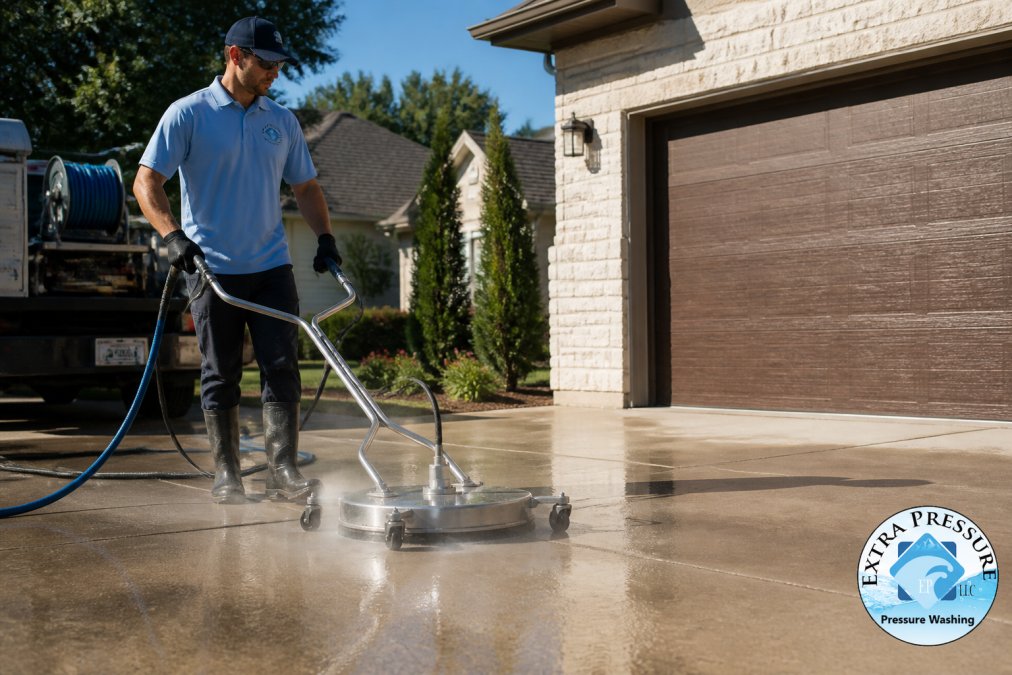
Equipment matters too. State-of-the-art pressure washing equipment means adjustable PSI settings, multiple nozzle options, and proper filtration systems. A professional contractor can clean your driveway without blasting holes in concrete or stripping paint from siding. Ask about equipment specifications, professionals know their own tools and can explain them clearly.
Experience signals matter too. When searching for residential pressure washing near me, prioritize contractors with established track records. Request references and permission to contact past customers directly.
Request a same-day estimate if possible. Extra Pressure LLC. offers same-day estimates, which signals confidence in their process and removes the guessing game from your decision.
Soft Washing vs Pressure Washing: Which Service Do You Need?
The choice between soft washing and pressure washing determines whether your exterior gets cleaned or damaged.
Pressure washing uses high-pressure water jets, typically 1,500-4,000 PSI, to blast away stubborn stains, algae, and grime. This method works exceptionally well on concrete driveways and commercial exteriors where durability allows for aggressive cleaning.
Soft washing applies lower-pressure water combined with specialized cleaning solutions to gently remove organic matter like mold, mildew, and algae. It operates at 400-600 PSI and relies on chemistry rather than force. Soft washing protects delicate surfaces, wood siding, vinyl, painted finishes, and landscaping, that would suffer damage from pressure washing.
Vinyl and wood require soft washing. Pressure washing at high PSI will strip paint, crack vinyl, or splinter wood. Concrete and stone can handle pressure washing without issue.
When searching for pressure washing near me, clarify which service you actually need. A professional contractor, like Extra Pressure LLC., will recommend the appropriate method based on your surfaces, not just what you asked for.
The safest approach: soft washing for anything with paint or finish, pressure washing for bare concrete and stone.
How to Prepare Your Home for Pressure Washing
Preparation determines whether the service runs smoothly or creates hidden problems. Spend 30 minutes the day before your appointment securing your property and protecting vulnerable areas.
Physical Preparation Steps
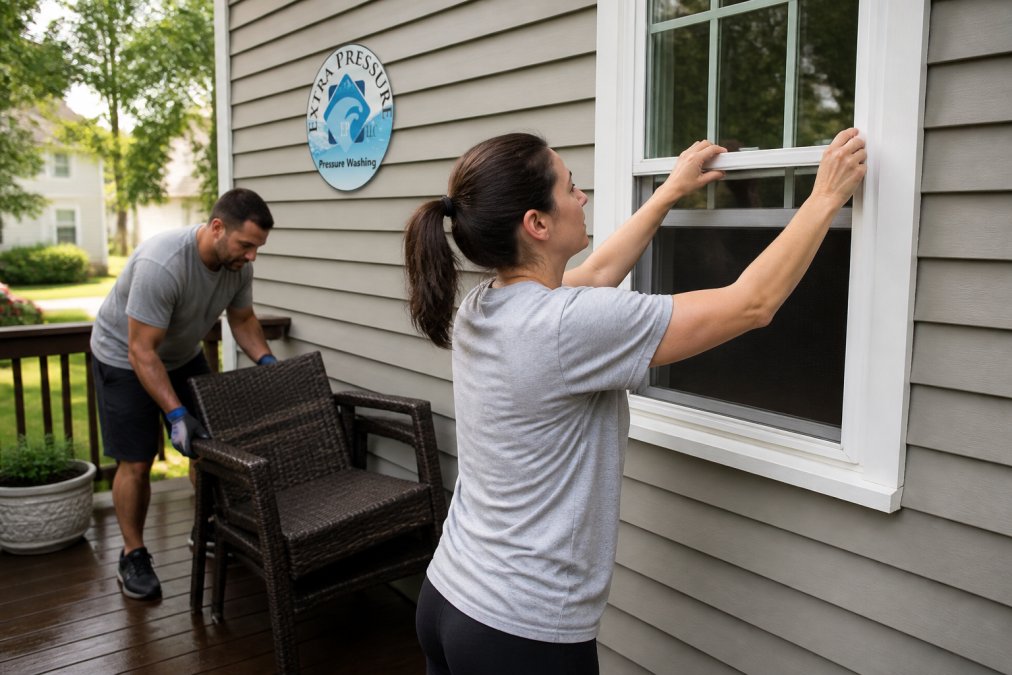
Close all windows and doors. Even with proper technique, water spray can find its way inside if openings are exposed. Move outdoor furniture, planters, and decorative items away from the work area. Cover air conditioning units, electrical boxes, and outdoor outlets with tarps or plywood. Park your car away from the service area. Trim back vegetation near the surfaces being cleaned.
Understanding Runoff and Environmental Impact
When you pressure wash your driveway or siding, the runoff carries mold and mildew spores, oil and grease residue, algae, and cleaning chemicals. Most homeowners don’t realize that untreated pressure washing runoff violates environmental regulations in many jurisdictions.
Ask your contractor whether they use water reclamation systems, equipment that captures and filters runoff before it leaves your property. Professional contractors invest in these systems because they comply with local environmental regulations, protect your landscaping, reduce liability, and demonstrate commitment to sustainable practices.
If environmental impact concerns you, request that your contractor use a reclamation system or direct runoff away from storm drains and toward landscaped areas where soil can naturally filter contaminants.
Communicating Special Concerns
Inform your contractor about delicate landscaping, pet areas, and water-sensitive features. Pressure washing chemicals and high-pressure runoff can damage vegetation and harm pets if exposed to contaminated water.
Request a water reclamation or containment plan in writing before the service date. This signals to the contractor that you’re informed about environmental best practices and ensures they bring appropriate equipment.
Understanding Average Cost of House Pressure Washing
Pressure washing pricing varies based on property size, surface type, complexity, and location. Request quotes from multiple contractors to understand the market in your area.
Pricing Factors and Market Ranges
Square footage of surfaces being cleaned is the primary variable. Surface type matters significantly. Concrete is straightforward and relatively affordable. Delicate siding requiring soft washing costs more because it demands specialized equipment, lower PSI settings, and careful technique. Heavy staining or mold remediation requires additional treatments, increasing the final bill.
Contractor experience and equipment quality affect pricing. Established contractors with state-of-the-art equipment typically charge more than inexperienced operators with basic tools. The premium reflects reliability, insurance, proper licensing, and professional results.
The Hidden Cost of DIY and Damage Risk
Consider what happens when untrained operators make common mistakes:
Concrete etching and pitting, High-pressure water above 3,000 PSI on unsealed concrete can strip the surface layer, creating permanent pitting. Repairing etched concrete costs $1,500-$5,000+ for a standard driveway.
Paint stripping and wood damage, Pressure washing vinyl siding or painted wood at high PSI strips paint, cracks vinyl panels, and splinters wood. Replacing vinyl siding panels costs $300-$800 per panel. Repainting a house exterior runs $3,000-$10,000.
Foundation and grout damage, Directing high-pressure water at foundation joints can erode these materials, creating water infiltration paths. Foundation repairs start at $2,000.
Landscaping destruction, High-pressure water can uproot plants and damage root systems. Replacing mature landscaping costs hundreds to thousands of dollars.
Electrical hazards, Directing water at electrical outlets or HVAC units creates shock and fire risks. Damage can cost $500-$3,000+ to repair.
What Professional Service Actually Costs
Pricing for professional residential pressure washing services depends on quantity, dates, and delivery. Request a quote from Extra Pressure LLC. for current prices.
Compare this to the $2,000-$10,000+ cost of repairing damage from DIY mistakes, and professional service becomes clearly cost-effective.
Extremely low quotes should raise red flags. A contractor quoting significantly below market rates may be cutting corners on equipment, insurance, or technique. Verify that low-cost quotes include liability insurance before accepting.
Getting Detailed Quotes
Request detailed quotes that break down costs by service. A comprehensive estimate should specify which surfaces are being cleaned, which cleaning method is being used, PSI settings for each surface type, any additional treatments, timeline, and insurance information.
Seasonal Pricing and Timing
Spring and summer demand peak, so contractors may offer better rates during fall and winter. If your cleaning isn’t urgent, scheduling during off-season can reduce costs by 10-20%. However, don’t delay cleaning if mold or algae is actively growing.
The true cost of pressure washing isn’t the service fee, it’s the cost of damage avoided. Professional service protects your property investment and prevents costly repairs.
What to Expect During a Pressure Washing Service Appointment
Your contractor arrives 10-15 minutes before the scheduled time and does a final walkthrough, confirming which areas need cleaning and checking for obstacles or concerns.
Setup takes 15-30 minutes. The contractor positions equipment, connects hoses, and prepares cleaning solutions if soft washing is needed. They’ll test water pressure on an inconspicuous area before tackling visible surfaces.
The actual cleaning typically takes 2-4 hours for a standard residential property, depending on size and surface condition. Stay indoors or keep a safe distance during cleaning.
Inspection happens at the end. The contractor walks you through cleaned surfaces, confirming everything meets expectations. Cleanup includes removing tarps and repositioning furniture.
Properties with multiple surface types or heavy mold buildup benefit most from professional service. The combination of proper equipment, specialized cleaning solutions, and experienced technique delivers results DIY approaches can’t match.
Maintenance and Seasonal Cleaning Schedules
Establishing a cleaning schedule prevents problems from accumulating and extends the life of your exterior surfaces. Most homes benefit from annual exterior cleaning. A single pressure washing or soft washing appointment each year removes accumulated mold, mildew, algae, and dirt before they cause permanent damage. For homes in humid climates or surrounded by trees, twice-yearly cleaning prevents organic growth from returning aggressively.
Gutters require special attention. Gutter maintenance should happen twice yearly, spring and fall. Gutters filled with debris prevent water drainage, leading to foundation damage and fascia rot. Extra Pressure LLC. offers specialized gutter maintenance that removes debris and applies preventative treatments.
Spring cleaning removes winter’s accumulated grime and prepares your home for the growing season. Fall cleaning addresses summer’s dirt and prepares gutters for winter leaf drop. If you’re selling your home, pressure washing in early spring maximizes curb appeal during peak buying season.
If mold returns within months of cleaning, your contractor should apply preventative treatments that inhibit regrowth. This extends the time before cleaning is needed again.
High-traffic areas like driveways and entryways need more frequent attention. Cleaning these zones annually and spot-treating them mid-year keeps your home looking maintained year-round.
Document your cleaning schedule. Note when you had services performed, what was cleaned, and any treatments applied. This record helps your contractor understand your property’s history and recommend appropriate maintenance intervals.
Finding the right residential pressure washing near me means prioritizing contractors who demonstrate professionalism through licensing, insurance, and transparent communication. The difference between a contractor who restores your surfaces and one who damages them comes down to expertise and equipment quality. Extra Pressure LLC. combines licensed and insured service with specialized soft washing for delicate surfaces and same-day estimates, removing uncertainty from your decision. Whether you need routine maintenance or deep cleaning before selling your home, scheduling a professional appointment protects your property investment and enhances curb appeal. Get started with Extra Pressure LLC. and experience comprehensive exterior cleaning that restores your property’s appearance while preventing water damage and foundation issues.
Frequently Asked Questions
Q: What credentials should a professional pressure washing company have?
A: Licensed and insured contractors are essential. Verify current licensing through your state’s business registration and ask for proof of general liability insurance. This protects you if equipment damages your property or a technician is injured. Reputable companies offer same-day estimates and can provide references from previous residential clients. Ask about their experience with your specific surface type, whether siding, concrete, or delicate materials.
Q: What is the difference between pressure washing and soft washing?
A: Pressure washing uses high-pressure water (2,500-4,000 PSI) to remove stubborn stains from concrete and durable surfaces. Soft washing applies lower pressure (under 500 PSI) with specialized detergents to clean delicate surfaces like vinyl siding, roof shingles, and landscaping areas without damage. Choose soft washing for older homes, painted surfaces, or areas with plants. Pressure washing works better for driveways, patios, and heavy algae or mold removal.
Q: How much does residential pressure washing typically cost?
A: Pricing depends on property size, surface type, cleaning difficulty, and local market rates. A single-story home may cost significantly less than a multi-story property with extensive deck or driveway work. Eco-friendly solutions and mold remediation add to the total. Request a free estimate from licensed contractors in your area to compare quotes. Most reputable companies provide transparent pricing before starting work.
Q: Can pressure washing damage my home’s siding or exterior surfaces?
A: Pressure washing can damage old siding, strip paint, or force water into gaps if done incorrectly. Professional contractors adjust PSI settings and nozzle tips based on your surface material. Soft washing is safer for vinyl siding, stucco, and painted surfaces. Licensed and insured professionals carry liability insurance to cover accidental damage. Always hire experienced contractors familiar with your specific siding type rather than attempting DIY pressure washing on delicate materials.
This article was written using GrandRanker
Leave a Reply