
Table of Contents
- How Long Does Soft Washing Last on Siding?
- What Determines How Long the Results Hold Up
- How Often to Soft Wash a House
- Soft Washing vs Pressure Washing Vinyl Siding
- Soft Washing Chemical Safety for Plants
- A Preventative Maintenance Schedule That Works
- Frequently Asked Questions
Last Updated: September 28, 2026
How Long Does Soft Washing Last on Siding?
Soft washing results typically last one to three years on siding, depending on climate, shade, and material. Most homes in this region fall right in that window, and the variables that push a home toward three years are predictable once you know what to look for. This guide explains what actually drives how long soft washing lasts, so you can plan maintenance instead of reacting to green streaks every spring.
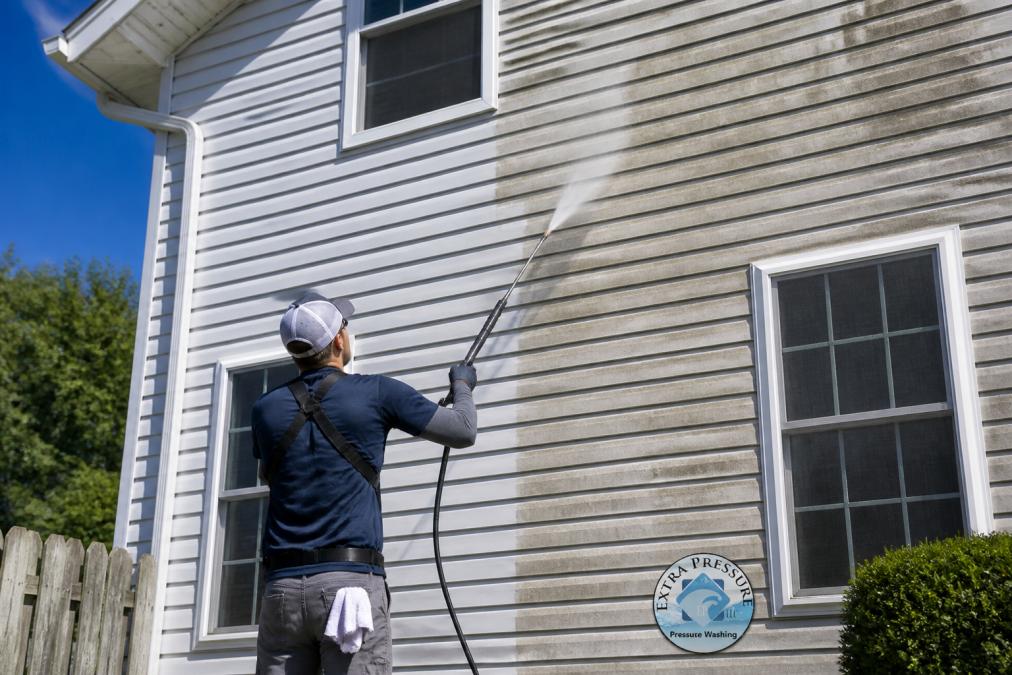
The 1 to 3 Year Window Most Homeowners See
The honest answer is that no two homes are identical. A north-facing wall under heavy tree cover will regrow organic growth far faster than a sun-exposed southern wall on the same street.
What Determines How Long the Results Hold Up
Four factors decide whether your clean siding stays clean for one year or three: climate, shade coverage, siding material, and surface condition. Understanding these lets you predict your own maintenance interval instead of guessing. The section below breaks each one down with the specificity most guides skip.
Climate and Humidity: Why Zone Matters More Than Brand
Soft washing results track closely to how much moisture sits on your siding between cleanings. In humid, still-air climates, organic growth can re-establish within a single season on a shaded wall. In dry, breezy climates, the same wall may hold a clean result for two to three years.
Shade Coverage: The Single Biggest Variable
Tree canopy is the most predictable driver of regrowth. A north-facing wall under mature hardwoods holds moisture for hours longer than a sun-exposed southern wall on the same street. That extra dwell time is what lets algae and mildew spores take hold.
Siding Material: Longevity by Substrate
This is where most guides stay vague, and where the real planning happens. Different substrates hold a soft wash result for different lengths of time because of how porous they are and how they shed water.
| Siding Material | Typical Clean-Result Window | Why |
|---|---|---|
| Smooth vinyl | 18-30 months | Non-porous surface sheds water and growth; chalky oxidation on older vinyl shortens the window |
| Hardie board (fiber cement) | 18-24 months | Factory finish resists growth, but joints and textured faces trap spores |
| Wood siding (cedar, pine) | 12-18 months | Porous grain absorbs moisture and holds organic matter; requires the most frequent attention |
| Stucco | 12-24 months | Textured, porous finish gives growth deep footholds; shaded stucco is the worst case |
| Painted surfaces (any substrate) | Varies with paint condition | Failing or chalky paint regrows faster than a sound, sealed finish |
Surface Condition and Oxidation
Surface condition matters just as much as material. Chalky residue and oxidation on older siding give algae a foothold, and UV degradation breaks down the surface over time. A surface that is already failing will not hold a clean result as long as a sound one.
| Factor | Slower Regrowth | Faster Regrowth |
|---|---|---|
| Sun exposure | Full sun most of the day | Heavy shade coverage |
| Climate | Dry, breezy, low dew point | Humid, still air, high dew point |
| Siding material | Smooth vinyl | Porous stucco, wood, textured board |
| Surface condition | Sound, sealed | Chalky, oxidized |
| Tree cover | Open lot | Mature canopy overhead |
| Proximity to water | Inland | Coastal or lakeside |
If you want one number to plan around: smooth vinyl in full sun in a dry climate is the 30-month case. Wood or stucco in shade in a humid climate is the 12-month case. Everything else falls between.
How Often to Soft Wash a House
Most homes need soft washing every 12 to 24 months, with shaded or heavily treed properties on the shorter end of that range. A simple rule: if you can see green or black streaking on the north side, it is time.
Walk your property after a rain and look at which walls stay damp the longest. Those are your repeat offenders, and they are the walls worth checking first each season.
Soft Washing vs Pressure Washing Vinyl Siding
Soft washing is the safer choice for vinyl siding, and pressure washing is the wrong tool for most home exteriors. High pressure can force water behind panels, crack aged vinyl, and strip paint from trim.
| Method | Pressure Level | Best For | Risk to Siding |
|---|---|---|---|
| Soft washing | Low | Vinyl, Hardie board, stucco | Minimal |
| Pressure washing | High | Concrete, brick, driveways | Can crack, strip, force water behind panels |
Soft Washing Chemical Safety for Plants
Soft washing is safe for landscaping when the chemical mixture is applied correctly and the surrounding plants are protected. The solution is diluted, and a proper rinse cycle before and after application prevents damage. But “safe” depends on getting the chemistry right, and most guides skip that part. Here is what is actually in the mix and what it does.
What Is Actually in a Soft Wash Solution
A standard soft wash mix has two active components: sodium hypochlorite (the same active ingredient as household bleach) and a surfactant. The hypochlorite kills mold, mildew, and algae at the root. The surfactant breaks the surface tension of water so the solution spreads evenly across siding and clings to vertical surfaces long enough to work, without it, the mix beads up and runs off before it can kill anything.
Dwell Time: The Step That Determines Whether It Works
Dwell time is how long the solution sits on the surface before it is rinsed. Too short, and the hypochlorite never fully kills the organism. Too long on a hot, sunny day, and the solution can dry on the siding before it is rinsed, which is both less effective and harder on plants downwind.
Why This Matters for Siding Integrity
Sodium hypochlorite is the same chemistry used to treat drinking water and swimming pools, and at soft wash dilutions it does not degrade vinyl, fiber cement, or properly painted surfaces. The long-term risk to siding is not the chemical, it is the pressure. High-pressure washing is what forces water behind panels, cracks aged vinyl, and strips paint. Soft washing avoids that entirely.
Protecting Plants: The Full Protocol
A common mistake is skipping the pre-rinse. Saturating plants with clean water first means any overspray is diluted rather than absorbed at full strength. A post-rinse washes residue off leaves and soil.
- Pre-rinse all landscaping with clean water before application
- Cover or shield delicate shrubs directly against the wall
- Use a diluted sodium hypochlorite mixture with surfactants, never a concentrated mix
- Rinse plants again immediately after the dwell time
- Avoid application on windy days when drift is hard to control
- Water the soil around plant roots after the job to flush any residue that reached the ground
Never let a soft wash solution dry on siding or plants. Drying concentrates the hypochlorite and is the most common cause of both plant burn and finish discoloration. Work in sections and rinse before the surface dries.
A Preventative Maintenance Schedule That Works
A predictable schedule beats reactive cleaning every time. The following plan keeps siding ahead of organic buildup instead of chasing it.
- Spring (March-April): Inspect north and shaded walls for early green or black streaking
- Late spring: Soft wash siding before summer humidity accelerates growth
- Summer: Check gutters and fascia, the most common repeat-growth spots
- Fall (October-November): Clear organic debris and rinse landscaping after leaf drop
- Winter: Note any walls that stay damp, and plan spring cleaning around them
Cleaning the same gutters and fascia repeatedly without fixing the drainage underneath guarantees the growth returns. Treat the source, not just the stain.
Frequently Asked Questions
Does soft washing kill mold and algae at the root?
Yes, when done correctly. Soft washing uses sodium hypochlorite at low pressure to penetrate organic buildup and destroy mold spores, mildew, and algae at the source rather than just bleaching the surface. Because the chemical mixture dwells on the siding long enough to break down the bio-film, regrowth is slower than with pressure washing alone. Most homes stay clean for 1 to 3 years depending on shade coverage, humidity levels, and how much sun exposure the siding gets.
Is it better to soft wash or pressure wash vinyl siding?
Soft washing is the safer choice for vinyl siding. High pressure can force water behind panels, crack the surface, and strip the finish, which speeds up oxidation and chalky residue. Soft washing relies on a low-pressure rinse cycle and cleaning solution to lift mildew and organic buildup without harming surface integrity. If you want the longest-lasting results on vinyl, stucco, or Hardie board, soft washing is the standard approach.
How often should you soft wash your home to prevent buildup?
Most homes benefit from a soft wash every 12 to 24 months. Homes with heavy shade coverage, nearby trees, or high humidity levels may need it annually to stay ahead of algae growth and mildew. Scheduling a preventative maintenance wash in spring keeps curb appeal strong and reduces the chance of organic buildup working into the siding. A professional can assess your specific environmental factors and recommend a schedule.
How long should you let soft wash solution sit on siding?
Dwell time typically runs 5 to 15 minutes depending on the surface and how much organic buildup is present. The solution needs enough time to break down mold spores and algae, but leaving it too long on certain materials can cause streaking or damage. Technicians monitor the surface and rinse before the chemical dries. Proper dwell time is one of the biggest factors in how long the cleaning results last.
Siding that regrows mold every few months usually has a moisture or shade problem that cleaning alone cannot solve. Extra Pressure LLC. provides licensed and insured soft washing and gutter maintenance with same-day estimates, using low-pressure methods that remove organic growth without harming delicate surfaces. Get started with Extra Pressure LLC. and keep your siding clean for the full one-to-three-year window instead of cleaning it twice a season.