
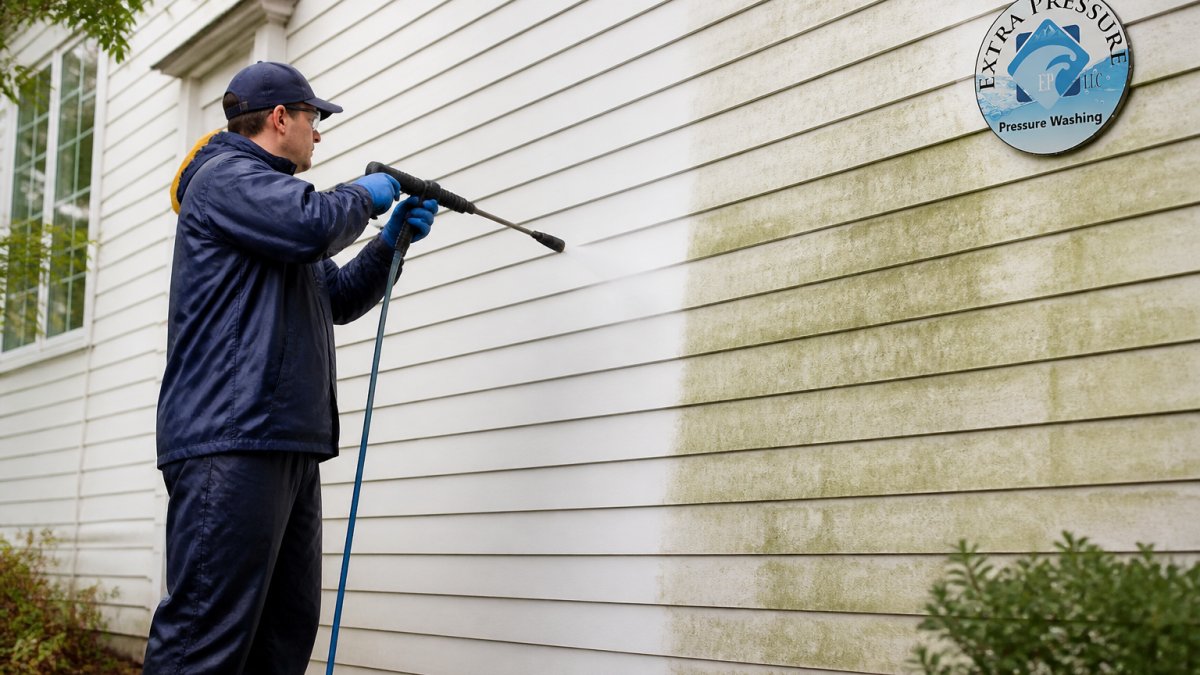
Table of Contents
- Why Mold Regrows on House Siding
- How to Prevent Mold on Vinyl Siding
- Step-by-Step: How to Clean Mold Off House Siding
- Using Mold Prevention Spray for Vinyl Siding
- How Often to Wash House Siding to Prevent Regrowth
- Maintenance Tasks That Stop Mold Before It Starts
- Common Mistakes That Lead to Mold Regrowth
- Frequently Asked Questions
Last Updated: October 10, 2026
Why Mold Regrows on House Siding
Mold regrowth on house siding happens because the conditions that caused it in the first place never truly went away. You can clean the surface spotless, but if moisture lingers and organic material accumulates, mold will return. Understanding what feeds mold growth is the first step to learning how to prevent mold regrowth siding.
Moisture and poor drainage as root causes
Moisture is the engine that drives mold. When water sits on your siding or seeps behind it, mold spores activate and multiply. Poor drainage around your foundation and gutters creates the perfect environment for this to happen repeatedly.
Standing water near your home’s base, clogged gutters that overflow, and downspouts that dump water too close to the siding all contribute to persistent moisture problems. This is why preventing mold regrowth on house siding requires controlling water first.
Shaded areas of your home stay damp longer. North-facing walls and sections blocked by trees or bushes dry slowly, especially in humid climates. These spots become mold magnets if you don’t actively manage moisture there.
Check your gutters after every heavy rain. If water overflows or pools near the foundation, you’ve found a major mold risk. Fix drainage issues before they become recurring mold problems.
How organic material feeds mold growth
Mold doesn’t just need moisture, it needs food. Leaves, pollen, dust, bird droppings, and decaying plant matter all provide the organic material mold uses to grow. When these materials accumulate on your siding and stay damp, mold colonies explode.
Vegetation growing against your house or overhanging branches dropping debris onto your roof and siding create constant fuel for mold. The combination of moisture plus organic material is what turns a clean surface into a mold farm within weeks or months.
How to Prevent Mold on Vinyl Siding
Preventing mold regrowth on house siding comes down to two core strategies: controlling moisture and eliminating conditions where mold thrives. Vinyl siding is especially vulnerable because it doesn’t breathe like natural materials, trapping moisture against the surface.
Improve airflow and sunlight exposure
Sunlight and moving air are mold’s enemies. Direct sun naturally kills mold spores and dries surfaces quickly. If your siding sits in permanent shade, mold will keep coming back no matter how often you clean.
Trim branches and bushes that block sunlight from reaching your siding. Even partial shade removal makes a measurable difference. Where you can’t eliminate shade, focus extra effort on moisture control and regular cleaning.
Ensure air can flow freely around your home. Blocked vents, dense landscaping pressed against the house, and enclosed crawl spaces all trap humid air that feeds mold growth. Open up these areas so air circulates naturally.
Redirect water away from siding surfaces
Water management is non-negotiable. Your gutters and downspouts must channel water away from the house, not toward it.
Downspouts should extend at least 4 to 6 feet away from your foundation. Short downspouts or those that dump water right at the base create moisture zones where mold thrives.
Check that your sprinkler system doesn’t spray water onto your siding. Many homeowners unknowingly water their mold problems daily. Aim sprinklers so they water plants and lawn only, never the house itself.
Ensure grading around your home slopes away from the foundation. Flat or inward-sloping ground allows water to pool near your siding and basement. This is a bigger project but prevents years of moisture-related problems.
Trapped moisture behind siding can rot wood framing and cause foundation damage. If you notice soft spots, peeling paint, or recurring mold despite cleaning, call a professional to inspect for hidden water damage.
Step-by-Step: How to Clean Mold Off House Siding
Before you can prevent mold regrowth on house siding, you may need to remove existing growth. The cleaning method depends on the severity and type of growth.
Assess the extent and type of growth
Look closely at what’s covering your siding. Mold appears black, green, or brown and has a fuzzy texture. Algae looks slimy and green. Mildew is powdery and white or gray. Dirt is simply dirt, it washes off with water alone.
The distinction matters because mold requires different treatment than surface dirt. If you’re unsure, assume it’s mold and treat it accordingly. Mold can cause health issues and spreads aggressively if left untreated.
Assess how much area is affected. Small patches can be handled with a spray bottle and brush. Extensive coverage across multiple walls may require professional soft washing equipment to avoid damaging the siding.
Choose your cleaning method and solution
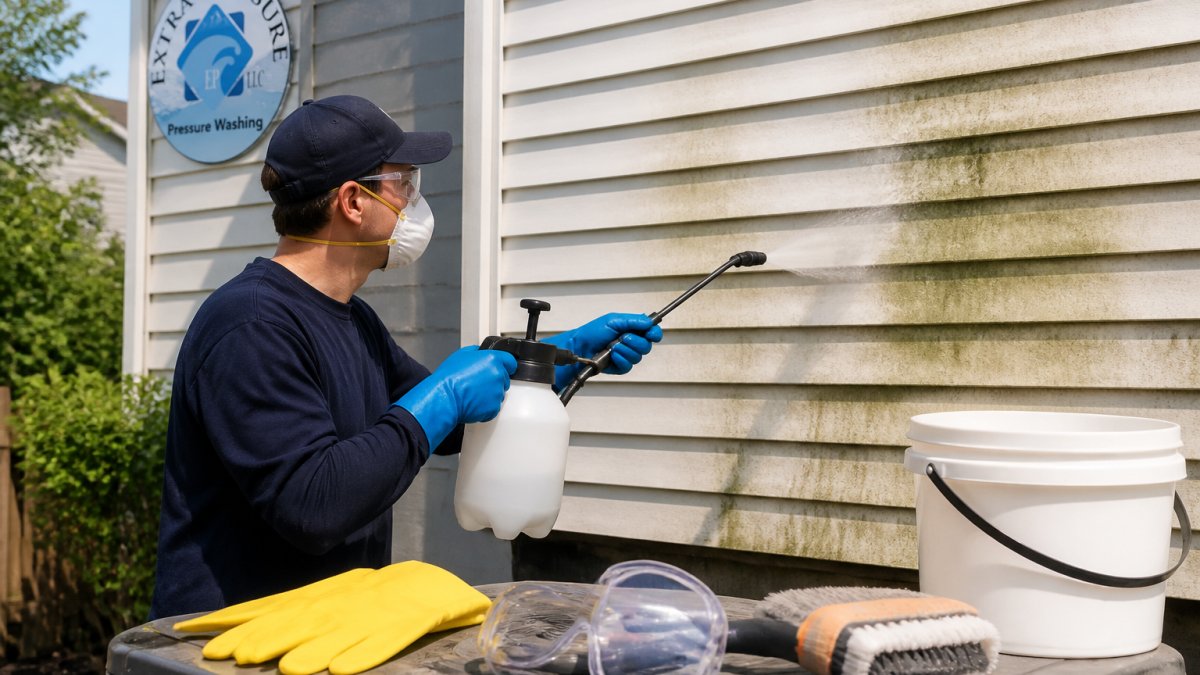
For light mold, a simple vinegar-and-water mixture works. Mix equal parts white vinegar and water in a spray bottle, apply to affected areas, let sit for 10 to 15 minutes, then scrub gently with a soft brush. Rinse thoroughly.
For moderate mold, a diluted bleach solution is more effective. Mix one part bleach with three parts water. Apply, wait 10 minutes, scrub, and rinse completely. Wear gloves and eye protection, bleach is caustic and can burn skin and eyes.
For heavy mold or algae, professional soft washing delivers better results without risk of damaging vinyl. Soft washing uses low-pressure water combined with specialized cleaning solutions that kill mold at the root, not just the surface.
Never use a pressure washer directly on vinyl siding. High-pressure water forces moisture behind the siding and can puncture or strip the material. Soft washing is the safer choice for delicate surfaces.
Execute the cleaning safely
Always wear protective gear: gloves, eye protection, and a mask if you’re spraying chemicals. Work on a calm day, wind can blow spray away from the target and into your eyes or lungs.
Start at the top and work downward so dirty runoff flows away from clean areas. Apply your chosen solution generously, let it sit for the recommended time, then scrub with a soft-bristled brush.
Rinse thoroughly with a garden hose. Incomplete rinsing leaves chemical residue that can damage siding or harm nearby plants. After rinsing, allow the siding to dry completely before applying any protective treatments.
Using Mold Prevention Spray for Vinyl Siding
After cleaning, some homeowners apply mold prevention sprays to slow regrowth. These products contain fungicides that inhibit mold spore germination for weeks or months.
Prevention sprays work best when applied to already-clean siding and combined with the moisture-control measures discussed earlier. A spray alone won’t stop mold regrowth on house siding if water and organic material continue to accumulate.
Reapply prevention sprays according to product instructions, typically every 3 to 6 months. Spring and fall are ideal times, as these seasons bring increased moisture and temperature swings that favor mold growth.
How Often to Wash House Siding to Prevent Regrowth
Regular cleaning is your best defense against mold regrowth. The frequency depends on your climate, shade exposure, and nearby vegetation.
Annual inspection and seasonal maintenance schedule
Inspect your siding at least twice yearly, spring and fall. Look for early signs of mold, algae, or dirt accumulation. Catching growth early makes cleaning easier and prevents spread.
In humid climates or areas with heavy tree coverage, inspect quarterly. If you find mold, clean it immediately. Waiting allows spores to spread to adjacent areas, making the problem larger.
Plan a full siding wash once per year, ideally in spring after winter moisture has settled and before summer heat arrives.
After heavy storms, check your siding for new moisture issues or organic debris. Fallen branches, leaves, and mud can trigger rapid mold growth if left sitting.
Maintenance Tasks That Stop Mold Before It Starts
Prevention is always cheaper and easier than repeated cleaning. These maintenance tasks address the root causes of mold regrowth on house siding.
Clean gutters and downspouts regularly
Clogged gutters overflow, sending water down your siding instead of away from it. Clean gutters at least twice yearly, spring and fall, or more often if trees overhang your roof.
Remove leaves, twigs, and debris by hand or with a gutter scoop. Flush gutters with a garden hose to clear remaining sediment. Check that downspouts are securely attached and direct water at least 4 to 6 feet from the foundation.
Gutter maintenance is one of the most effective ways to prevent mold regrowth siding problems. Water management stops mold before it starts.
Trim vegetation and remove organic debris
Trees and bushes pressing against your siding block sunlight and trap moisture. Trim branches so they clear the roof and siding by at least 6 feet. Remove vines and climbing plants entirely.
Rake leaves and debris away from the foundation regularly. Don’t let organic material pile up against the house. A clear perimeter around your home improves airflow and reduces mold food sources.
Adjust sprinklers and check exterior ductwork
Point sprinklers away from the house. If you have in-ground irrigation, ensure spray patterns don’t reach siding or foundation. Redirect any sprinkler heads that water the house.
Check exterior ductwork, AC units, and ventilation outlets. These should drain water away from siding, not onto it. Ensure dryer vents exhaust away from the house, not pooling moisture at ground level.
| Maintenance Task | Frequency | Impact on Mold Prevention |
|---|---|---|
| Clean gutters and downspouts | Spring and fall (or quarterly in heavy tree areas) | Prevents water from pooling near siding |
| Trim tree branches and vegetation | Annually or as needed | Improves sunlight and airflow |
| Rake leaves and debris from foundation | Monthly during fall, as needed other seasons | Removes mold food source |
| Inspect siding for early mold signs | Spring and fall minimum | Catches growth early before spread |
| Check sprinkler spray patterns | Before each season | Prevents water from wetting siding |
| Wash full siding surface | Once yearly, twice in humid climates | Removes established mold and spores |
Common Mistakes That Lead to Mold Regrowth
Most homeowners make one critical error: they clean the mold but ignore the conditions that caused it.
Leaving gutters clogged after cleaning siding is a guaranteed way to see mold regrowth on house siding within weeks.
Trimming only part of the vegetation that blocks sunlight doesn’t work. Mold needs just enough shade and moisture to thrive.
Skipping the rinsing step leaves cleaning chemical residue on the siding.
Applying mold prevention spray without first addressing moisture and organic material is like putting a bandage on a broken bone.
Mold regrowth on house siding is frustrating, but it’s entirely preventable. The key is addressing moisture, improving airflow, and maintaining your home’s exterior consistently.
Frequently Asked Questions
Why does mold keep coming back on my house siding?
Mold regrows when moisture, organic material, and shade persist on your siding. Trapped moisture from poor drainage, clogged gutters, or landscaping against the house creates ideal conditions. Without addressing the underlying moisture source, mold returns within weeks or months even after cleaning. Gutters filled with leaves, vegetation touching siding, and north-facing walls with limited sunlight are common culprits.
How often should you clean house siding to help prevent mold?
Most homes benefit from annual siding cleaning, ideally in spring or early summer. Properties in humid climates, heavily shaded areas, or near dense vegetation may need cleaning twice yearly. Between professional cleanings, inspect your gutters monthly during fall and spring, trim back vegetation quarterly, and remove visible debris after storms. This maintenance schedule prevents the moisture and organic material buildup that triggers mold regrowth.
What is a good mold prevention spray for vinyl siding?
Effective prevention sprays typically contain algaecides or mildewcides designed for exterior use. Common options include vinegar-based solutions, commercial mold inhibitors, or diluted bleach (1 part bleach to 10 parts water). Apply after cleaning to create a protective barrier. However, prevention sprays work best when combined with moisture control: clean gutters, trim vegetation, and improve airflow. Reapply annually or after heavy rain. Always follow product instructions and test on a small area first.
Can I use pressure washing to clean mold off my siding without causing damage?
Pressure washing can remove mold effectively, but high pressure risks damaging vinyl siding, stripping paint, or forcing water behind panels. Soft washing (lower pressure with specialized cleaning solutions) is safer for most residential siding and kills mold at the source rather than just blasting it away. If using pressure washing, keep the nozzle at least 12 inches from the surface and use a wide spray pattern. Professional equipment and technique matter significantly, improper pressure washing can create new water infiltration problems.