
Quick Summary
The most common mistakes when selling your home are pricing it above recent comparable sales, neglecting repairs and curb appeal, and choosing an agent based only on commission. Overpriced listings tend to sit and sell lower, while small fixes and a clean exterior make buyers take the home seriously. Comparing full offer terms and your estimated net proceeds helps you avoid costly errors.
- Use three to six comparable sales that closed within the last three to six months.
- A listing with little activity in the first two weeks may be overpriced.
- Power wash siding, decks, and walkways to improve first impressions from the street.
- Compare agents on marketing plans, recent sales, and full listing agreement terms, not commission alone.
- Ask for a seller net-proceeds worksheet before choosing among offers.
Table of Contents
- Pricing Too High and Ignoring Comparable Sales
- Skipping Repairs and Neglecting Curb Appeal Before Listing
- Choosing an Agent on Commission Alone and Overlooking Offer Details
- Planning Your Next Step Before You Accept an Offer
- Frequently Asked Questions
Pricing Too High and Ignoring Comparable Sales
Pricing a home too high is one of the most common ways sellers lose money when selling your home. A listing that sits for weeks looks stale, and buyers assume something is wrong with it. The longer a home sits, the more likely the eventual sale price lands below where a correctly priced listing would have started.
Start with recent sales of similar homes nearby, called comparable sales or “comps.” A useful comp is a home of similar size, age, condition, and lot that closed within the last three to six months. Your agent can pull these from the local multiple listing service, or you can review public sales records at your county assessor’s office. Adjust for differences: an extra bathroom or finished basement adds value, while a busier street subtracts it. Three to six well-chosen comps give a clearer picture than a single “best” match.
Pricing above what comps support usually leads to a price reduction later, which signals to buyers that the home was overpriced from the start. A common pattern is a listing that draws little activity in the first two weeks, then chases the market downward in increments that never quite catch up.
Pricing also affects the appraisal. If a buyer finances the purchase, the lender’s appraiser will compare your home to the same kind of comps. An offer above appraised value can create an appraisal gap the buyer must cover in cash, and some buyers will walk away rather than do that.
Finally, the list price is not your net. Before you settle on a number, ask your agent for an estimated seller net-proceeds worksheet that subtracts the commission, typical closing costs, any mortgage payoff, and any seller credits. A higher list price that stalls often produces a lower net than a realistic price that sells in the first few weeks.
The article’s key pricing figures are summarised below so they are easy to scan.
| Pricing factor | Article guidance | Why it matters |
|---|---|---|
| Comparable sales window | Closed within the last three to six months | Recent sales reflect current market value |
| Number of comps | Three to six well-chosen comps | Gives a clearer picture than one match |
| Early listing activity | Little activity in the first two weeks | Signals a possible overpricing problem |
| Appraisal risk | Offer above appraised value creates a gap | Buyer may need to cover the difference in cash |
| Net proceeds check | Ask for a seller net-proceeds worksheet | Shows the real take-home after costs |
Skipping Repairs and Neglecting Curb Appeal Before Listing
Buyers form an opinion from the street, and that first impression matters when selling your home. Overgrown yards, dirty siding, and clogged gutters all send a message before anyone walks inside. Pressure washing siding, driveways, and walkways is often one of the fastest ways to refresh the outside of a home before it goes on the market. For windows that have collected grime and hard water spots, Window Washing is another service that can help make the home look cared for from the curb.
Small repairs matter too. Loose railings, cracked caulk, and mold on wood siding can all raise questions during a buyer’s inspection.
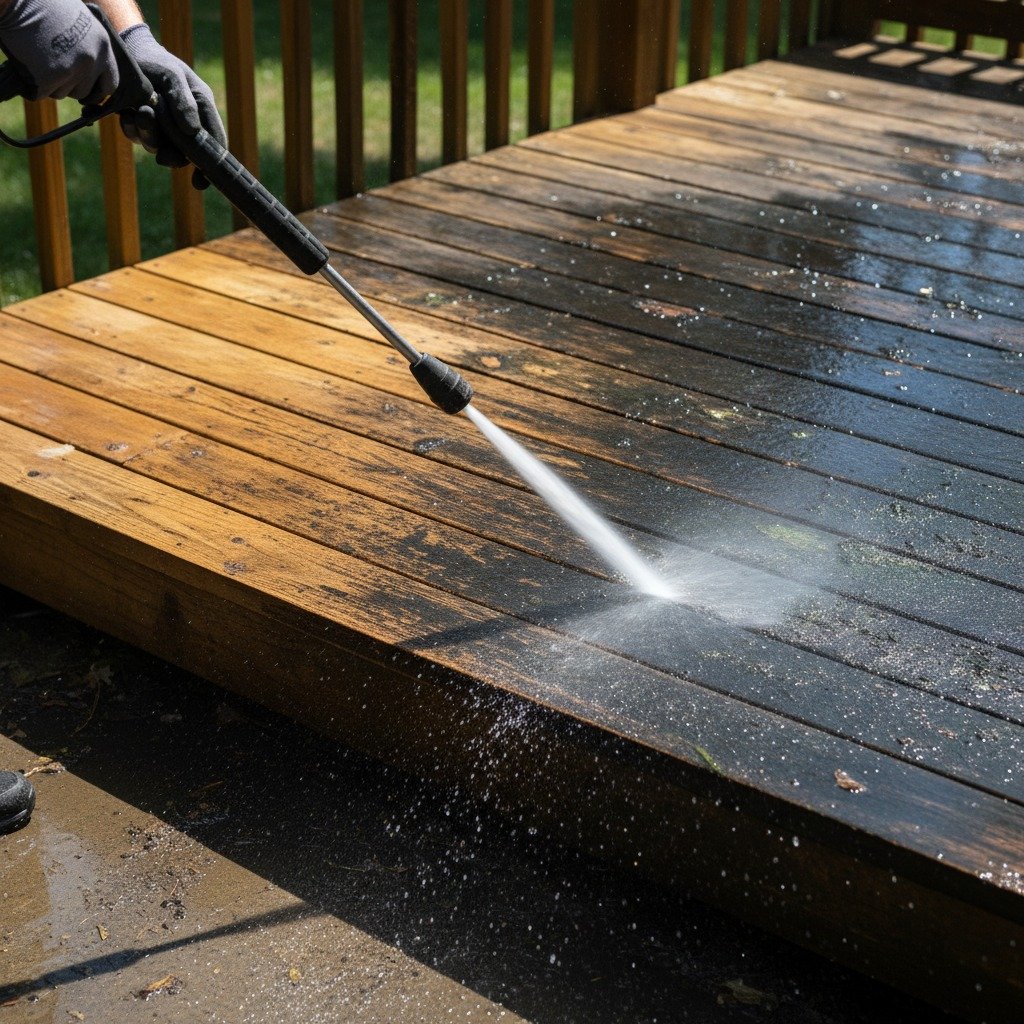
- Power wash siding, decks, and walkways
- Clean gutters so they drain properly
- Fix loose railings and visible damage
- Remove mold and mildew from exterior surfaces
Choosing an Agent on Commission Alone and Overlooking Offer Details
Many sellers pick an agent based only on the commission rate. Our seller’s guide to choosing a listing agent walks through how to evaluate agents beyond their fees. A lower commission sounds appealing, but it isn’t the whole picture. Ask each agent how they plan to market your home, how many similar homes they have sold in the past year, and how they arrived at their suggested list price. Compare the full terms in each listing agreement, including contract length, cancellation terms, and who pays for photography, staging, and marketing.
Once offers arrive, a higher price is not always the better offer. Compare the financing terms, the closing date, and any contingencies, such as inspection or appraisal conditions. A slightly lower offer from a buyer with strong financing, a large down payment, and few contingencies can close faster and with fewer problems than a higher offer that is likely to fall through. Ask your agent to lay out each offer side by side: price, loan type, down payment, earnest money, contingencies, appraisal-gap coverage, and closing date.
The work does not stop at acceptance. Inspection, appraisal, and financing risks can still unwind a deal. Keep repair receipts and disclosure documents organized, respond promptly to buyer requests, and stay reachable through closing. Deals often fall apart late because a buyer’s loan was never fully underwritten or an inspection issue was left unresolved too long.
Planning Your Next Step Before You Accept an Offer
Before you sign anything, ask your agent to walk you through your estimated net proceeds after commissions, closing costs, and any mortgage payoff. Then choose the offer that leaves you in the best position.
Ready to get your home ready for buyers? Extra Pressure LLC. offers licensed and insured pressure washing, soft washing, and gutter cleaning, with same-day estimates. Call us for a quote on your exterior before you list.
Frequently Asked Questions
What devalues a house the most?
Deferred maintenance and overpricing do the most damage. Buyers and their appraisers notice dirty siding, mold on fascia, clogged gutters and worn exteriors quickly, and they assume bigger problems sit behind them. Overpricing compounds the issue because a listing that sits longer gets more scrutiny and often ends with a price reduction. Addressing visible exterior wear before listing, such as a professional soft wash for mold and grime, can help remove some of the most obvious negatives buyers react to.
What should you not do before selling your house?
Avoid overpricing based on what you hope to get rather than recent comparable sales, avoid skipping visible repairs, and avoid neglecting curb appeal. Do not let the exterior grow mold, algae or grime, since first impressions from the street shape how buyers view the rest of the property. Also avoid hiring unlicensed or uninsured contractors for exterior work. Confirm licensing and insurance first, and ask about a same-day estimate when planning your listing date.
How much can I realistically sell my house for?
A realistic price comes from recent sales of similar homes nearby, adjusted for condition, size, lot and upgrades. Your agent or a licensed appraiser can prepare a comparative market analysis. Compare your home to properties that actually sold, not only listings, and note how long comparable homes stayed on the market. A home in clean, well-maintained condition typically draws stronger offers than one with visible exterior problems, so condition work before listing can protect the price you are targeting.
