
Quick Summary
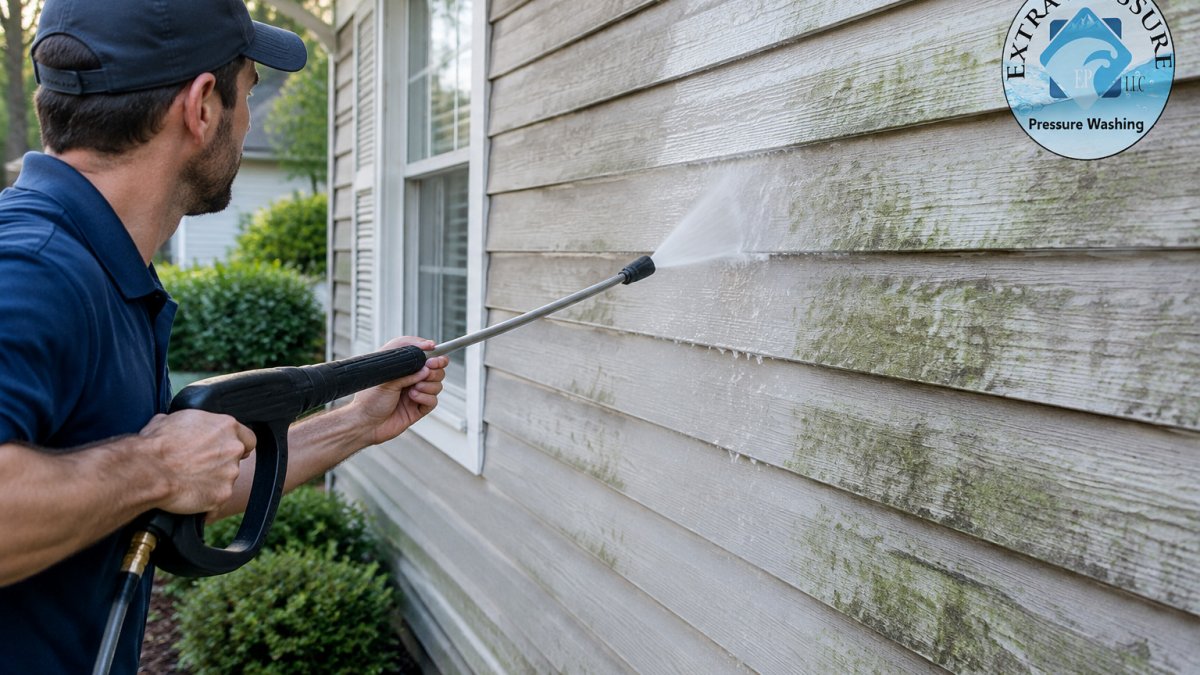
Mold on wood siding grows where moisture, shade and time combine, so the main prevention steps are to spot damp, shaded areas early, clean gently, and keep the wood dry and protected. Pretreating wood with a preservative can help prevent mildew from forming on finishes. Watch for dark spots, fuzzy patches or a musty smell near the wall base, under eaves and on north-facing sides.
- Mold needs moisture, shade, and time to grow on siding.
- Check the wall base, areas under eaves, and north-facing sides first.
- Dark spots, fuzzy patches, or a musty smell signal possible mildew.
- Pretreating wood with a preservative can help prevent mildew on finishes.
- Test a small area and use a soft brush on cedar, since high pressure can gouge the grain.
Table of Contents
- Why Mold Grows on Wood Siding and How to Spot It
- Cleaning Cedar Siding and Removing Black Mold Safely
- Restaining Cedar Siding and Ongoing Wood Siding Maintenance
- Frequently Asked Questions
Why Mold Grows on Wood Siding and How to Spot It
Last Updated: November 8, 2026
Mold on wood siding is more common than most homeowners expect. A publication from the U.S. Forest Service notes that mildew on finishes causes discoloration and can lead to early finish failure, and that pretreating wood with a preservative can help prevent it (Mildew and mildew control for wood surfaces). U.S. Forest Service publication on mildew control for wood surfaces
Mold needs moisture, shade, and time. Watch for dark spots, fuzzy patches, or a musty smell near the wall base, under eaves, or on north-facing sides. PAGE: How To Remove Mildew From Siding explains how to tell mildew from other stains.
The article points to a few places and conditions where mold on wood siding tends to appear.
| Condition | Where it appears | Sign to watch for |
|---|---|---|
| Moisture | Wall base | Dark spots |
| Shade | Under eaves | Fuzzy patches |
| Shade | North-facing sides | Musty smell |
| Time | Any damp siding | Discoloration |
Cleaning Cedar Siding and Removing Black Mold Safely
Start gentle: test a small area, use a soft brush, and rinse top down. Cedar is soft, so high pressure can gouge the grain.
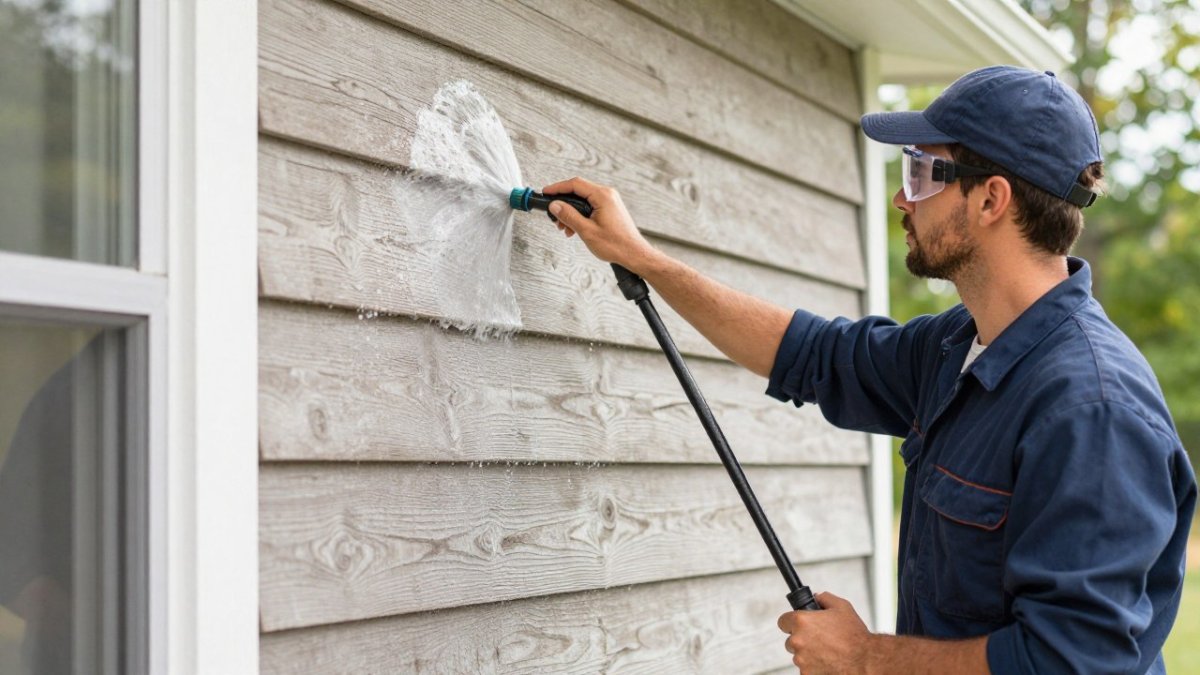
Protect nearby plants first; Protecting Delicate Landscaping During Pressure Washing covers limiting runoff onto beds and lawns. Wear eye protection and gloves with any cleaning solution.
Before choosing a method, Is Soft Washing Safe for Asphalt Shingles? is worth reading if your roof is near the siding. If the job feels too big, Why Hire Insured Pressure Washing Services explains what to look for in a provider.
Restaining Cedar Siding and Ongoing Wood Siding Maintenance
Once the siding is clean and fully dry, restaining or resealing can help protect it from moisture.
Regular upkeep can help limit mold returning on wood siding.
Extra Pressure LLC. offers licensed and insured soft washing and pressure washing for wood siding, with same-day estimates. Schedule a appointment to get your cedar siding cleaned and protected.
Frequently Asked Questions
How do you prevent mold from growing on wood siding?
Start by reducing moisture. Keep gutters and downspouts clear so water does not run down the siding, trim vegetation that blocks airflow and sunlight, and fix leaks or splashback sources near the base of the wall. Walls on the north side or in heavy shade stay damp longest, so they often need more frequent inspection. Keeping the finish intact also helps, since mildew on finishes can cause discoloration and premature finish failure.
What kills mold on wood siding?
A siding-safe cleaner is the usual choice. Oxygen bleach or a mild detergent solution applied with a soft brush and rinsed thoroughly works on many surfaces, and hydrogen peroxide is another option. Chlorine bleach can damage wood and nearby plants, so avoid it. Always test a small, hidden patch first to confirm the cleaner does not discolor the wood or finish. Growth that returns quickly usually points to a moisture problem that cleaning alone will not fix.
Can pressure washing damage wood siding?
Yes, high pressure can gouge cedar, raise grain, and strip softened finishes. This is why soft washing, which uses low pressure and a cleaning solution, is generally the safer method for wood siding. Our team provides licensed, insured soft washing for delicate surfaces, and we can give you a same-day estimate to assess your siding before any work begins.
